



- Pieza única
- Envío Nacional Gratuito
- Entrega en 24/48 horas
- Aceptamos Bizum, Transferencia y Paypal
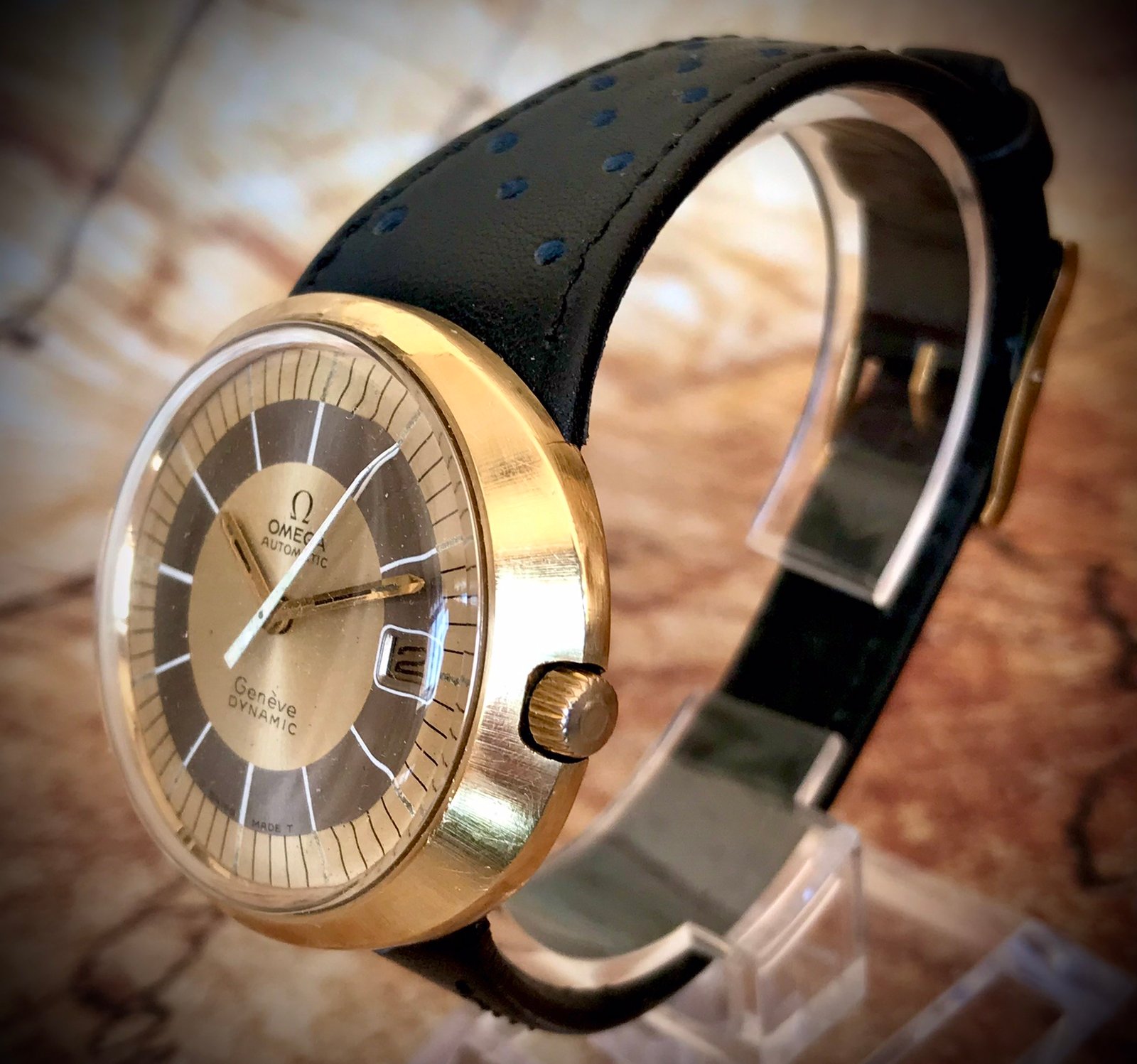
OMEGA DYNAMIC, VINTAGE YEAR 1970, AUTOMATIC
| Marca | Omega |
|---|---|
| Modelo | Dynamic |
| Género | Man |
| Década | 1970s |
| Año de fabricación | 1970 |
| Código de caja | 107 |
| Movimiento | Automatic |
| Cristal | Plexiglass |
| Esfera | Bicolor gold and bronze colors (rarity) |
| Corona | Original, signed Omega |
| Material de la caja | Gold-plated steel, 20 microns. |
| Diámetro sin corona | 41 mm |
| Diámetro con corona | 42 mm |
| Longitud entre asas | 36 mm |
| Grosor | 10 mm |
| Anchura de la correa | 22 mm |
| Material de la correa | First quality cowhide. |
| Color de la correa | Black |
| Cierre/hebilla | Ace watch, gold-plated with original Omega seal |
| Estado del reloj | Excellent, like new! |
| Caja/Estuche | Yes, generic. |
| Documentación | Free Certificate of Authenticity available on request |
Omega watches trace their origins back to 1848 in La Chaux-de-Fonds, Switzerland, when Louis Brandt, a young watchmaker, established a small workshop. Initially, Brandt assembled pocket watches using components sourced from local suppliers, selling them primarily across European countries. Following his passing, his sons, Louis-Paul and César Brandt, expanded the business and introduced significant innovations in watchmaking.
The Birth of the Omega Brand
In 1894, the Brandt brothers revolutionized the industry by developing a production system with interchangeable parts, a groundbreaking innovation at the time. They created the famous Omega caliber movement, which became so successful and iconic that, in 1903, the company was renamed Omega Watch Co. Since then, the brand has been synonymous with precision and excellence.
Achievements and Global Fame
Omega quickly achieved international acclaim:
- In 1932, it became the first brand chosen as the official timekeeper of the Olympic Games, a role it has fulfilled at numerous editions since.
- In 1969, the Omega Speedmaster made history as the first watch worn on the Moon, accompanying the astronauts of the Apollo 11 mission. This achievement cemented its reputation and unique place in the history of space exploration.
Innovation and Luxury Watchmaking
Over the years, Omega has continued to lead the industry through innovation, such as introducing the Co-Axial movement in 1999, which improved accuracy and reduced maintenance. Iconic collections like the Speedmaster, Seamaster, and Constellation have solidified the brand’s status in high-end watchmaking and luxury.
Today, Omega is recognized as one of the most respected watch brands globally, celebrated for its precision, quality, and rich heritage.
TEMPPUS. All rights reserved.
Información adicional
Reloj completamente revisado. Garantizado para su uso diario.
- Pieza única
- Envío Nacional Gratuito
- Entrega en 24/48 horas
- Aceptamos Bizum, Transferencia y Paypal
Relojes relacionados
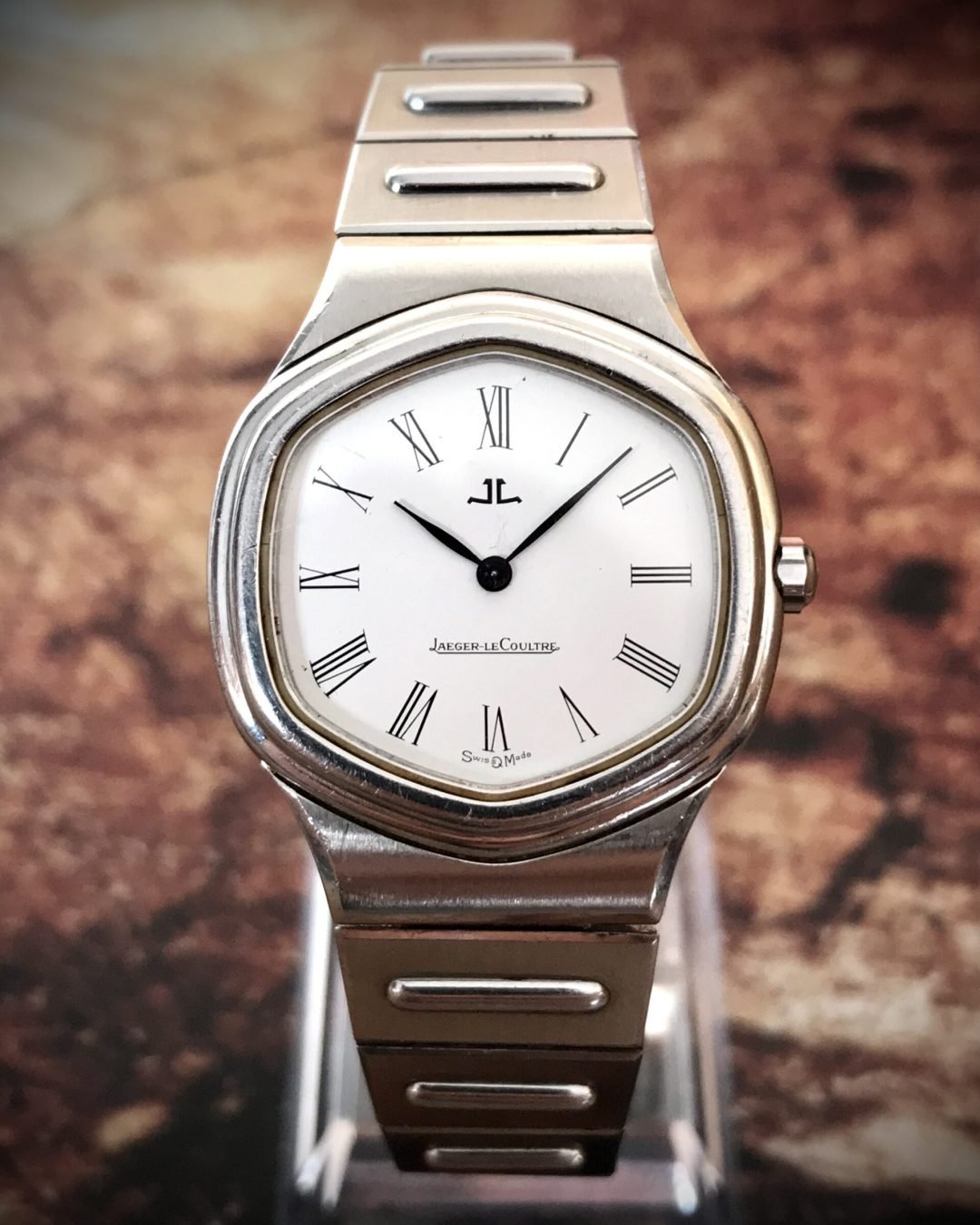
JAEGER LECOULTRÈ QUARTZ, VINTAGE 90’s
INFORMACIÓN
| Marca | Jaeger-LeCoultre |
|---|---|
| Modelo | Extraplano |
| Género | Female |
| País de origen | Switzerland |
| Década | 1990s |
| Nº de serie | 1577835 |
| Código de caja | 3140 0638 |
| Movimiento | Quartz |
| Cristal | Sapphire |
| Esfera | White with Roman numerals |
| Corona | Steel, original signed JLC. |
| Material de la caja | Stainless steel |
| Diámetro sin corona | 29.2 mm |
| Longitud entre asas | 35.5 mm |
| Grosor | 5 mm |
| Anchura de la correa | 16 mm |
| Material de la correa | Stainless steel |
| Color de la correa | Steel |
| Cierre/hebilla | Stainless Steel, signed JLC deployant clasp |
| Estado del reloj | Very good, with slight signs of aging. |
| Caja/Estuche | Yes, generic. |
| Documentación | Free Certificate of Authenticity available on request |
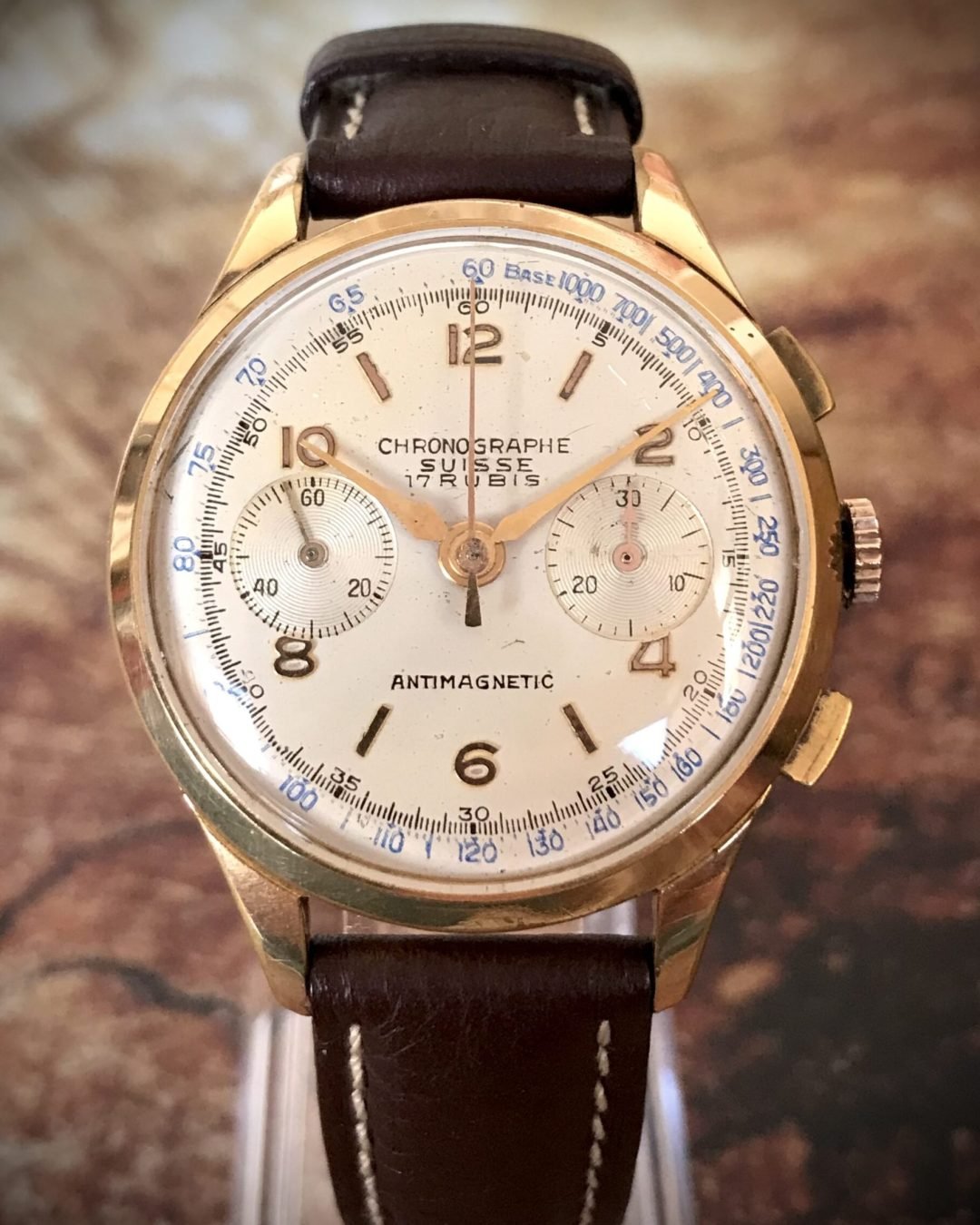
CHRONOGRAPHE SUISSE 50s, CALIBER LANDERON 51
INFORMACIÓN
| Marca | Chronographe Suisse |
|---|---|
| Modelo | Chronograph |
| Género | Man |
| País de origen | Switzerland |
| Década | 1950s |
| Nº de serie | 45525: Blue dial |
| Movimiento | Manual winding |
| Calibre | Landeron 51 |
| Cristal | Original Plexiglass, flawless |
| Esfera | Cream color with two subdials and tachymeter |
| Material de la caja | Gold-plated with 10 microns |
| Diámetro sin corona | 36,2 mm |
| Diámetro con corona | 38 mm |
| Longitud entre asas | 45 mm |
| Grosor | 11,5 mm |
| Anchura de la correa | 18 mm |
| Material de la correa | Top quality calfskin leather. |
| Color de la correa | Brown |
| Cierre/hebilla | Squirrel-type, gold-plated steel. |
| Estado del reloj | Very good, with slight signs of aging. |
| Caja/Estuche | Yes, generic. |
| Documentación | Free Certificate of Authenticity available on request |
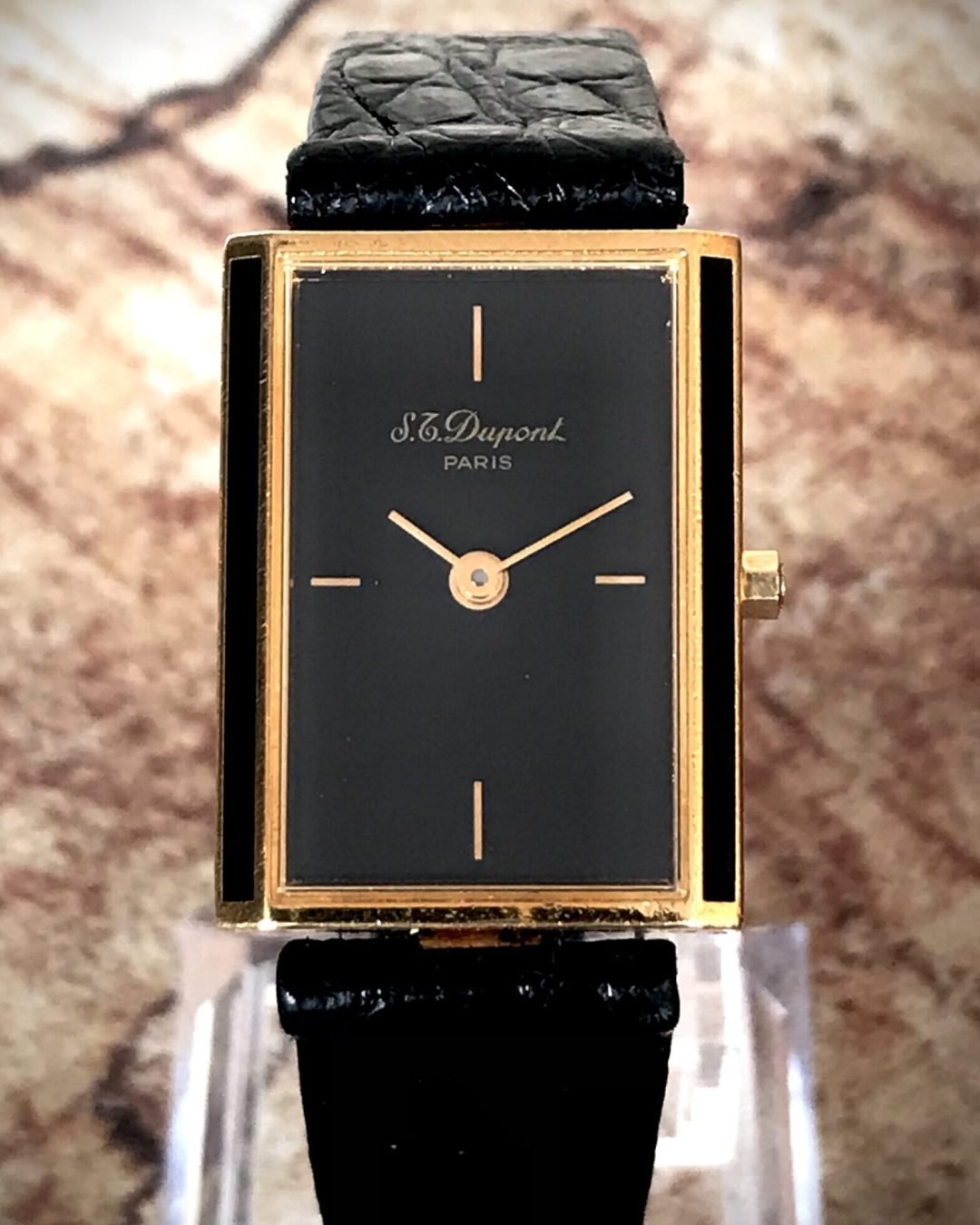
ST DUPONT, PARIS (100% ORIGINAL CONDITION)
INFORMACIÓN
| Marca | S. T. Dupont |
|---|---|
| Modelo | Chinese Laquer |
| Género | Man |
| Década | 1990s |
| Año de fabricación | 1990 |
| Nº de serie | 81JAF69 |
| Movimiento | Quartz |
| Cristal | Mineral, impecable |
| Esfera | Black, impeccable |
| Bisel | Black and 20-micron gold plated |
| Corona | Original, signed Dupont. |
| Material de la caja | Gold-plated steel, 20 microns. |
| Diámetro sin corona | 21 mm |
| Diámetro con corona | 23 mm |
| Longitud entre asas | 35 mm |
| Grosor | 5 mm |
| Anchura de la correa | 16 mm |
| Material de la correa | Genuine leather, original signed S.T. Dupont. |
| Color de la correa | Black |
| Cierre/hebilla | Original S.T. Dupont, 20 microns gold-plated and lacquered. |
| Estado del reloj | Excellent, like new! |
| Caja/Estuche | Yes, generic. |
| Documentación | Free Certificate of Authenticity available on request |
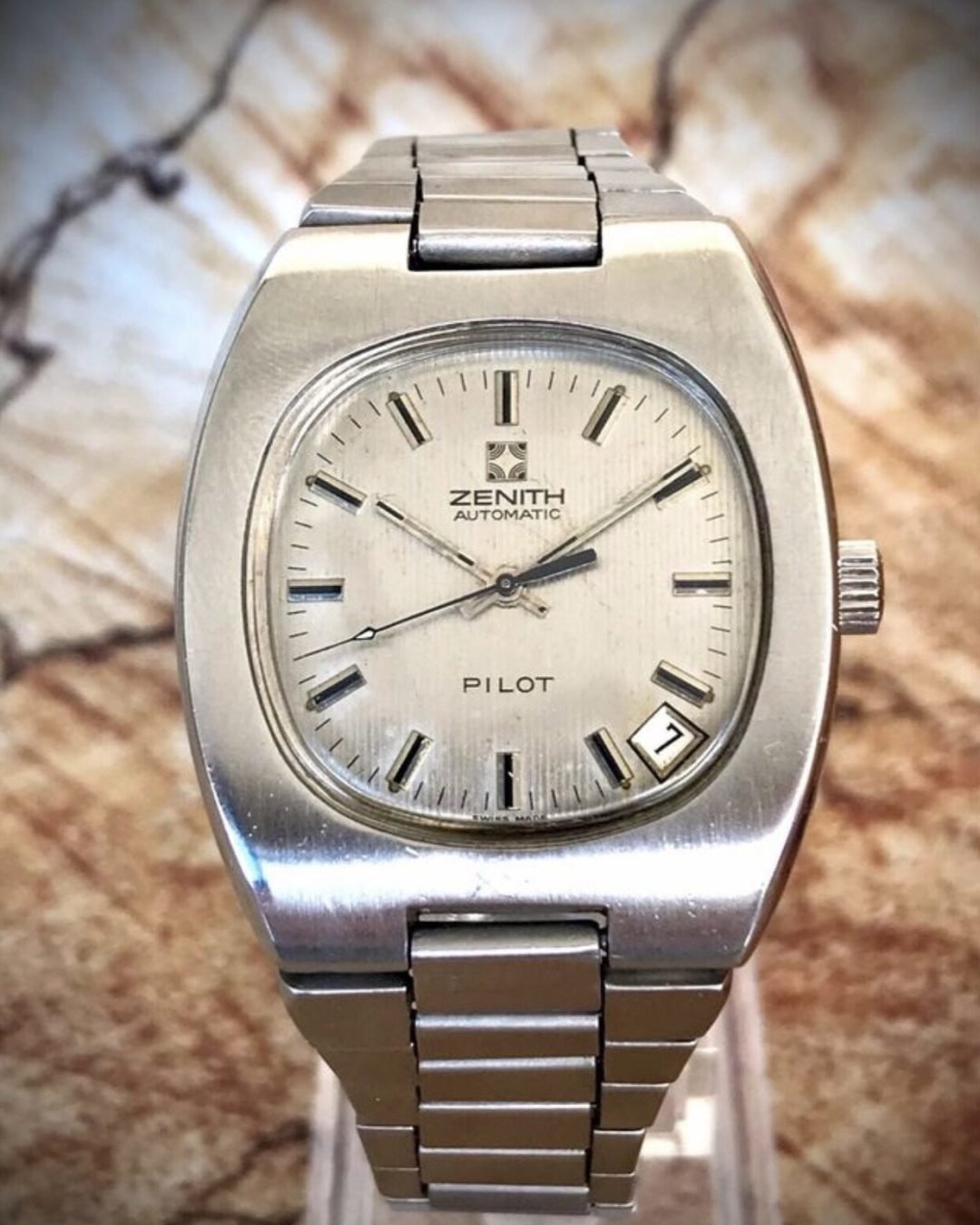
ZENITH TV PILOT AUTOMATIC, 70s
INFORMACIÓN
| Marca | Zenith |
|---|---|
| Modelo | TV Pilot |
| Género | Man |
| Década | 1970s |
| Movimiento | Automatic |
| Calibre | ZENITH 2572 PC-E |
| Cristal | Original PLexiglás |
| Esfera | Silver gray with date window at 5 o'clock |
| Corona | Original, signed Zenith. |
| Material de la caja | Steel |
| Diámetro sin corona | 35 mm |
| Diámetro con corona | 37 mm |
| Longitud entre asas | 40 mm |
| Grosor | 9 mm |
| Anchura de la correa | 22 mm |
| Material de la correa | Stainless steel |
| Color de la correa | Steel |
| Cierre/hebilla | Steel, original signed Zenith |
| Estado del reloj | Well, with logical signs of the passage of time. |
| Caja/Estuche | Yes, generic. |
| Documentación | Free Certificate of Authenticity available on request |
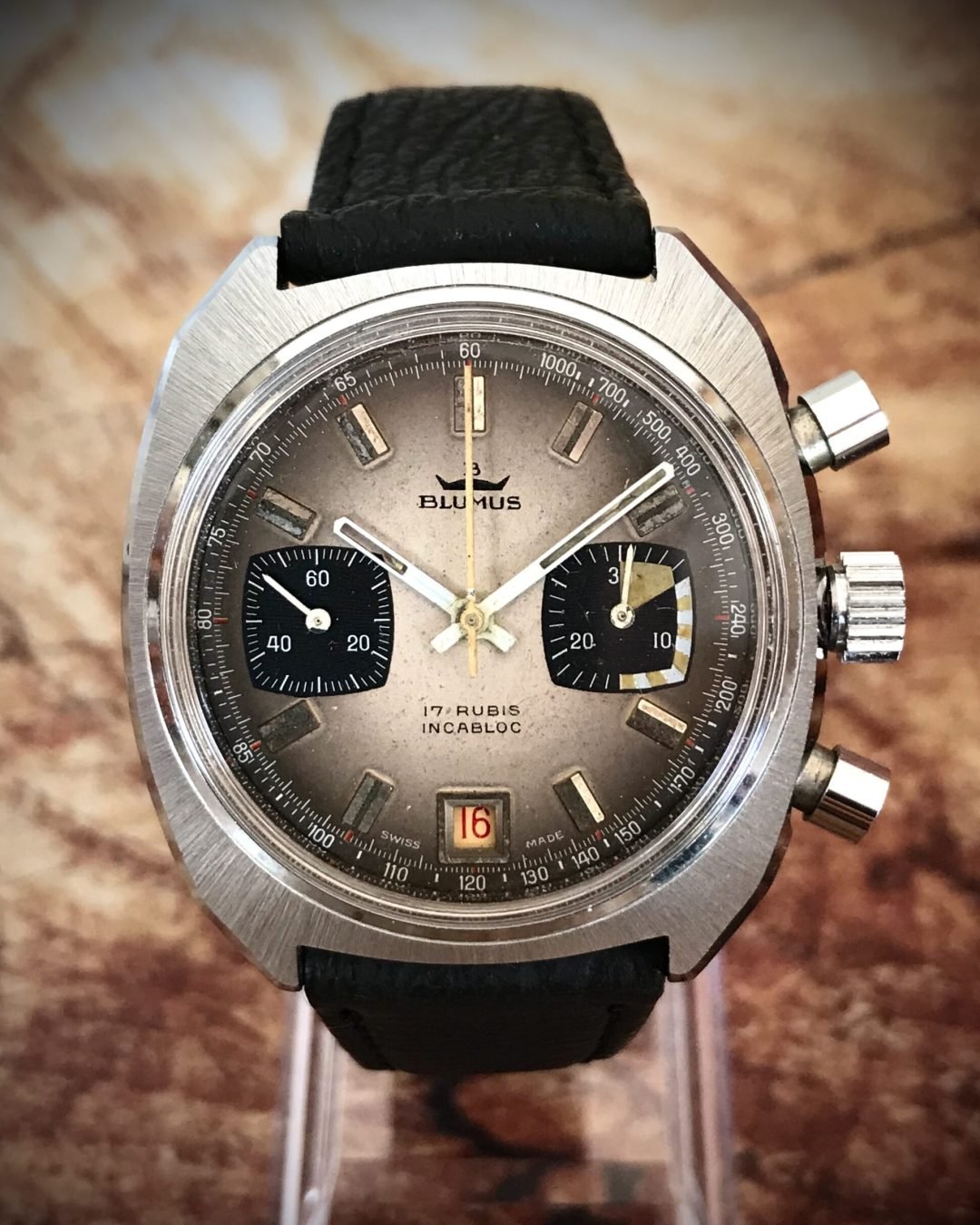
BLUMUS CHRONOGRAPH, VALJOUX 7734 MOVEMENT
INFORMACIÓN
| Marca | Blumus |
|---|---|
| Modelo | Chronograph |
| Género | Man |
| Década | 1960s |
| Código de caja | TRC0257 |
| Movimiento | Manual winding |
| Calibre | VALJOUX 7734 |
| Cristal | Original PLexiglás |
| Esfera | Brown blurred with black subdials, date display at 6 o'clock. |
| Bisel | Interior con taquímetro |
| Corona | Yours original |
| Material de la caja | Steel |
| Diámetro sin corona | 37 mm |
| Diámetro con corona | 39.5 mm |
| Longitud entre asas | 40 mm |
| Grosor | 11,5 mm |
| Anchura de la correa | 20 mm |
| Material de la correa | Genuine leather |
| Color de la correa | Black |
| Cierre/hebilla | Stainless steel |
| Estado del reloj | Very good, with slight signs of aging. |
| Caja/Estuche | Yes, generic. |
| Documentación | Free Certificate of Authenticity available on request |
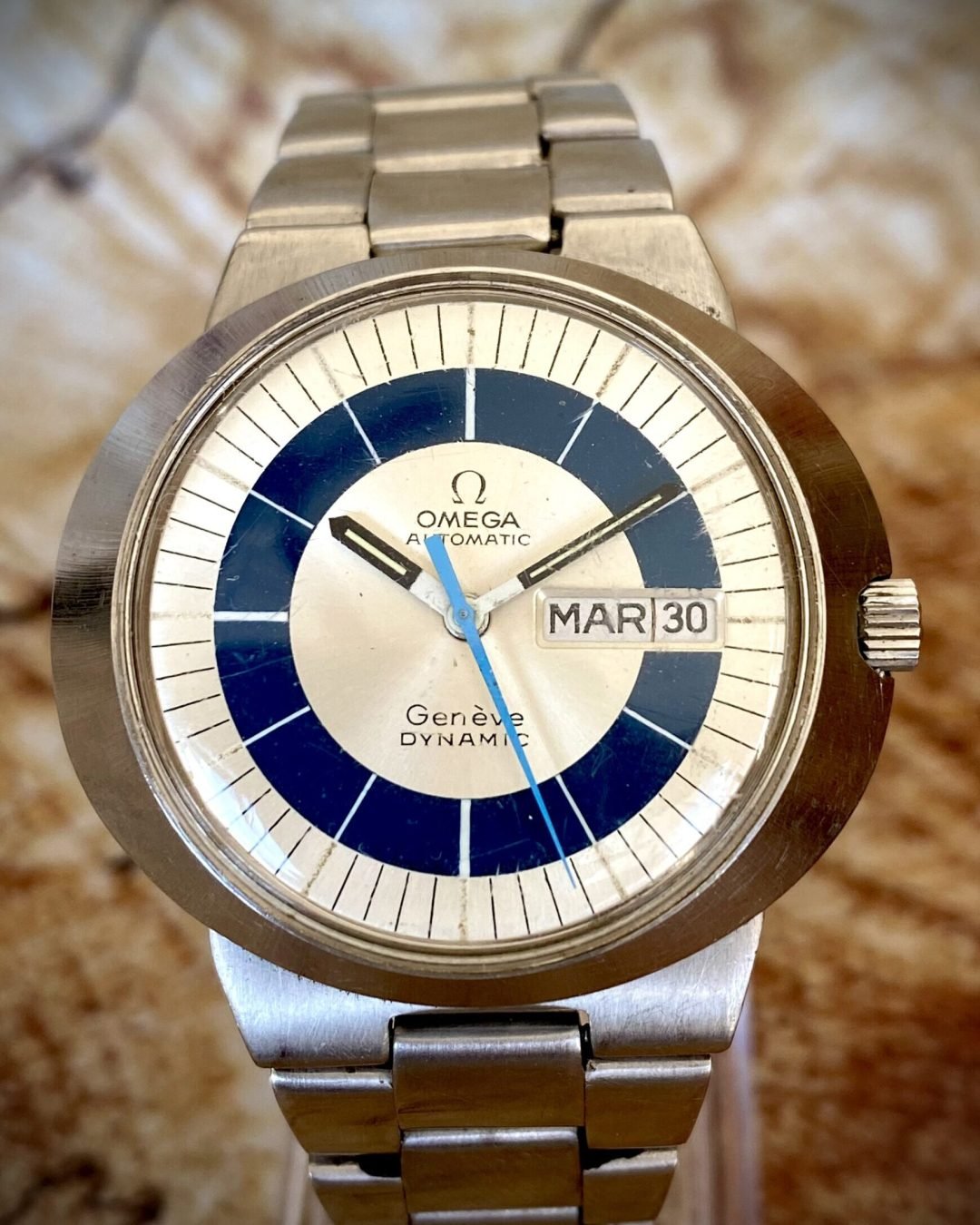
OMEGA DYNAMIC, VINTAGE YEAR 1970, AUTOMATIC
INFORMACIÓN
| Marca | Omega |
|---|---|
| Modelo | Dynamic |
| Género | Man |
| Década | 1970s |
| Año de fabricación | 1970 |
| Código de caja | 107 |
| Movimiento | Automatic |
| Cristal | Plexiglass |
| Esfera | Silver and blue two-tone with calendar at the 3 o'clock position. |
| Corona | Original, signed Omega |
| Material de la caja | Stainless steel |
| Diámetro sin corona | 41 mm |
| Diámetro con corona | 42 mm |
| Longitud entre asas | 41 mm |
| Grosor | 11 mm |
| Anchura de la correa | 22 mm |
| Material de la correa | Stainless steel |
| Color de la correa | Steel |
| Cierre/hebilla | Stainless steel, original Omega. |
| Estado del reloj | Very good, with slight signs of aging. |
| Caja/Estuche | Yes, generic. |
| Documentación | Free Certificate of Authenticity available on request |
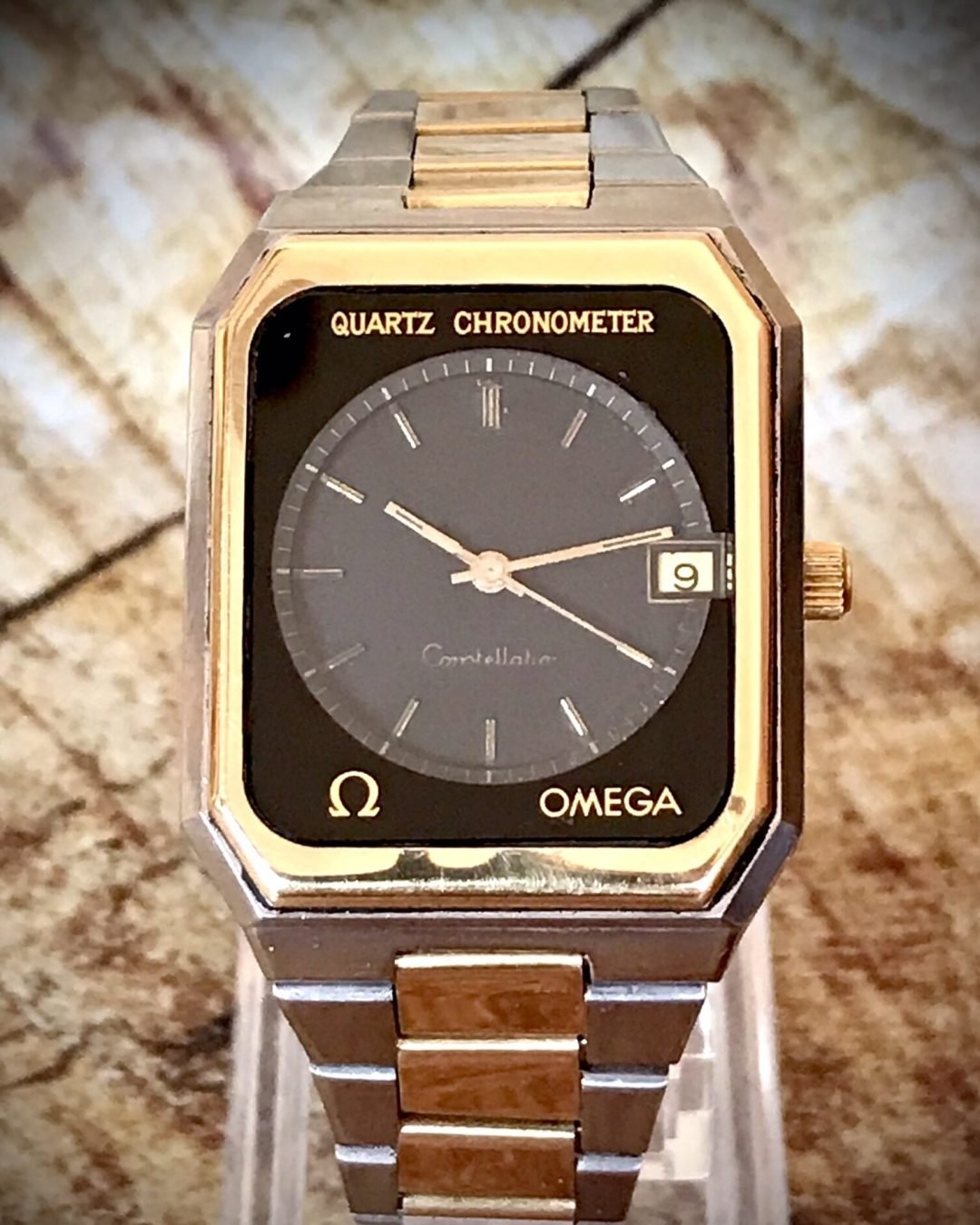
OMEGA CONSTELLATION QUARTZ CHRONOMETER 14k GOLD
INFORMACIÓN
| Marca | Omega |
|---|---|
| Modelo | Constellation Quartz Chronometer |
| Género | Man |
| Década | 1980s |
| Movimiento | Quartz |
| Calibre | Omega 1343 |
| Cristal | Mineral |
| Esfera | Black, with a date stamp at 3. |
| Bisel | 14 karat gold |
| Corona | Yours is original Omega. |
| Material de la caja | Steel and 14-karat Gold |
| Diámetro sin corona | 32 mm |
| Diámetro con corona | 34 mm |
| Longitud entre asas | 41 mm |
| Grosor | 9 mm |
| Anchura de la correa | 20 mm |
| Material de la correa | Steel and 14-karat Gold |
| Color de la correa | Steel and Gold |
| Cierre/hebilla | Steel, original Omega |
| Estado del reloj | Well, with logical signs of the passage of time. |
| Caja/Estuche | Yes, generic. |
| Documentación | Free Certificate of Authenticity available on request |
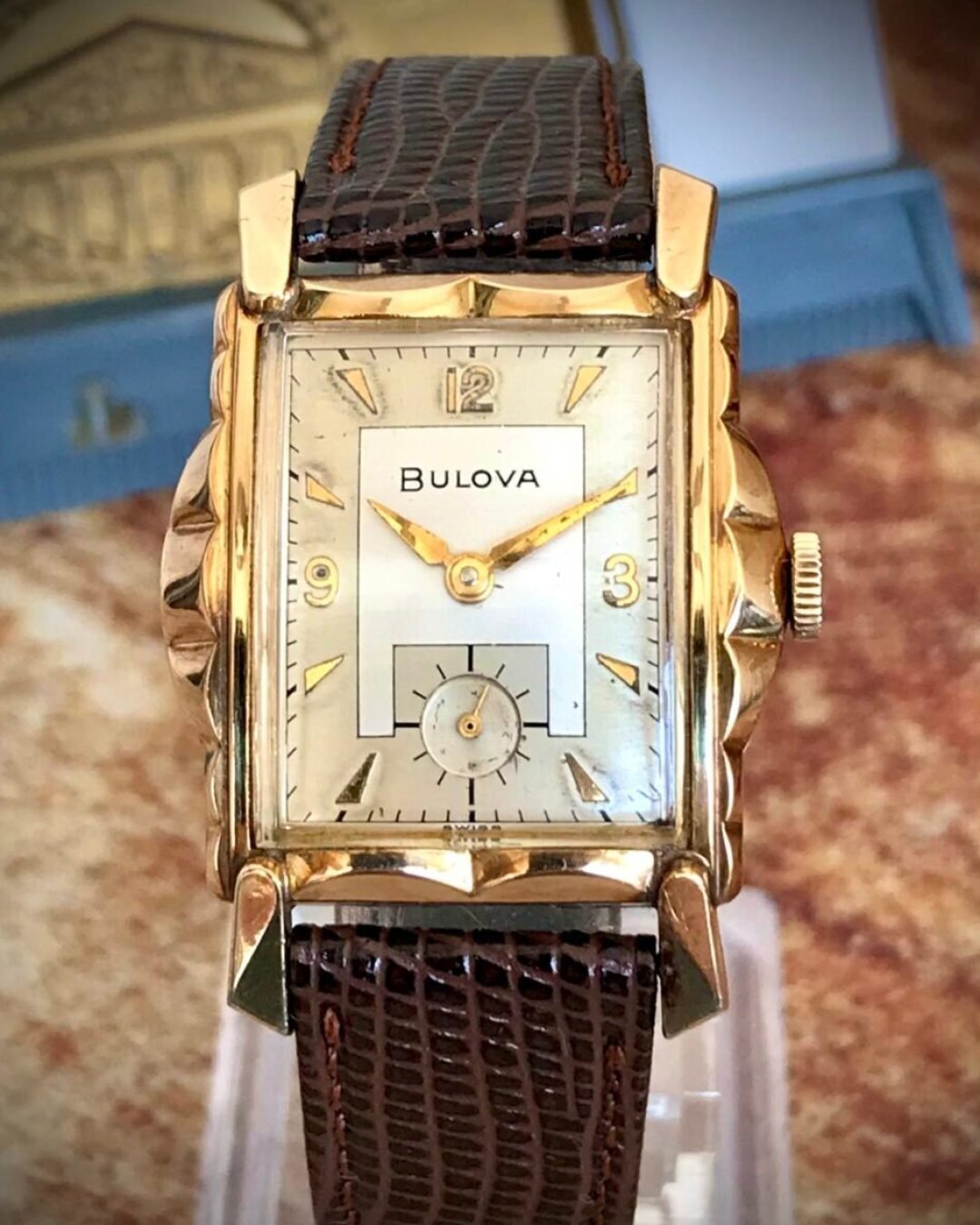
BULOVA SENATOR ART DECÓ WITH ORIGINAL BOX
INFORMACIÓN
| Marca | Bulova |
|---|---|
| Modelo | Senator "Art Decó" |
| Género | Man |
| Década | 1940s |
| Año de fabricación | 1942 |
| Movimiento | Manual winding |
| Calibre | Bulova 11-AF |
| Cristal | Plexiglass |
| Esfera | Bitono, Arabic numerals |
| Bisel | Gold-plated with 10 microns. |
| Material de la caja | Gold-plated with 10 microns |
| Diámetro sin corona | 27.5 mm + signed crown |
| Diámetro con corona | 29,2 mm |
| Longitud entre asas | 39 mm |
| Grosor | 8 mm |
| Anchura de la correa | 16 mm |
| Material de la correa | Lizard skin |
| Color de la correa | Brown |
| Cierre/hebilla | Steel |
| Estado del reloj | N.O.S. (New Old Stock) |
| Caja/Estuche | Yes |
| Documentación | Free Certificate of Authenticity available on request |
Garantía tEMPPUS
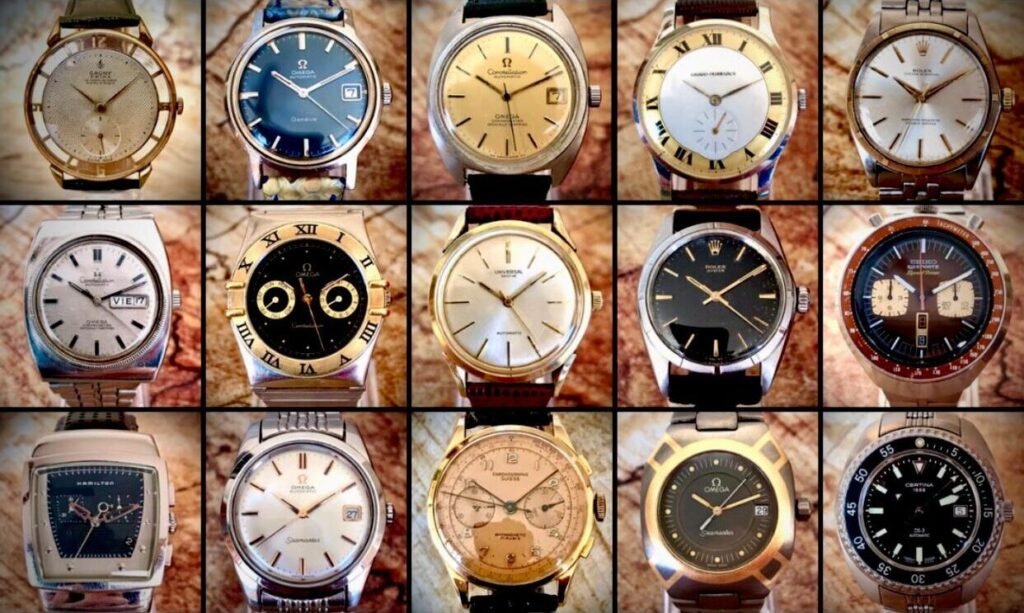
Para su total tranquilidad, protegemos todos nuestros RELOJES CON 1 AÑO DE GARANTÍA.