
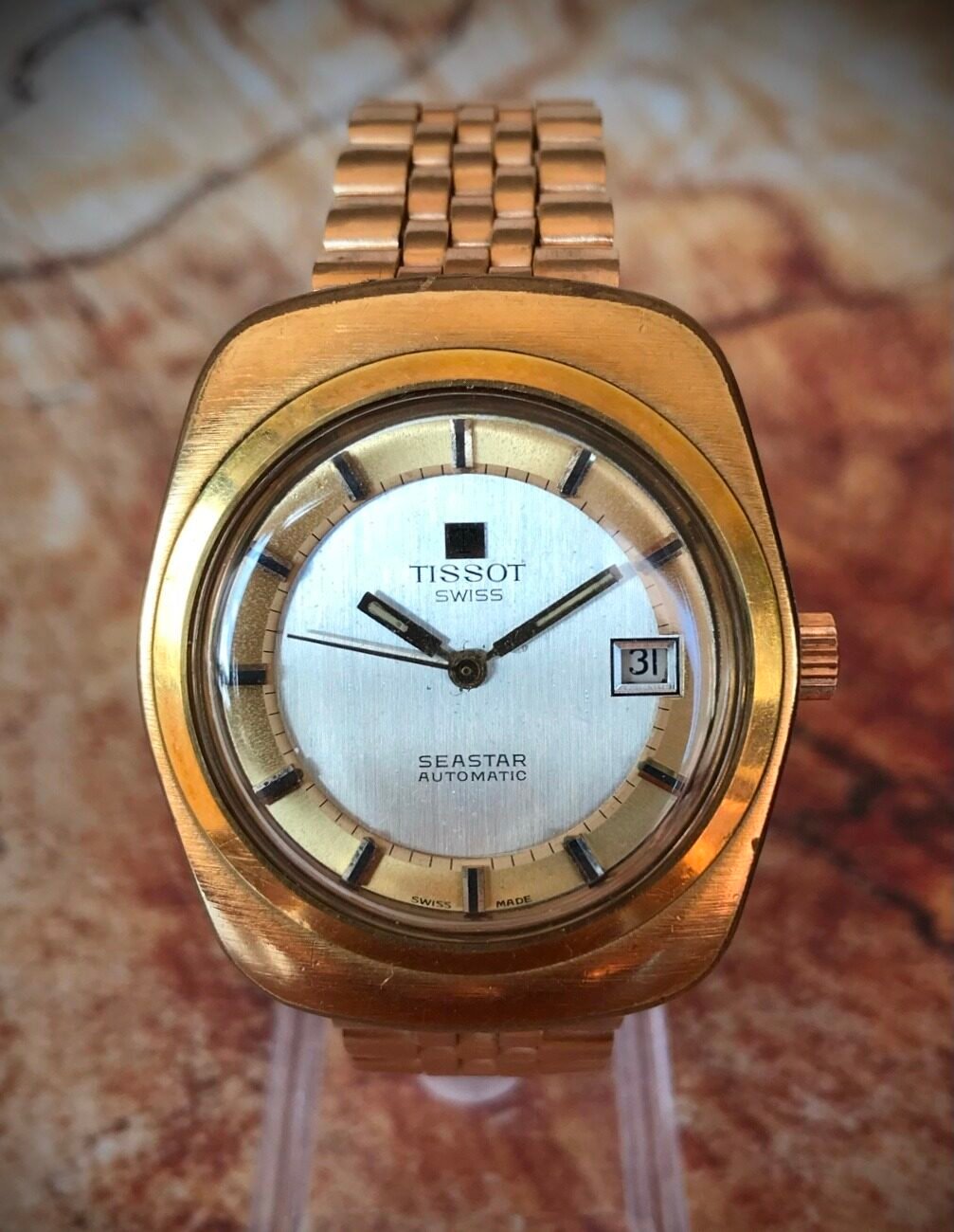

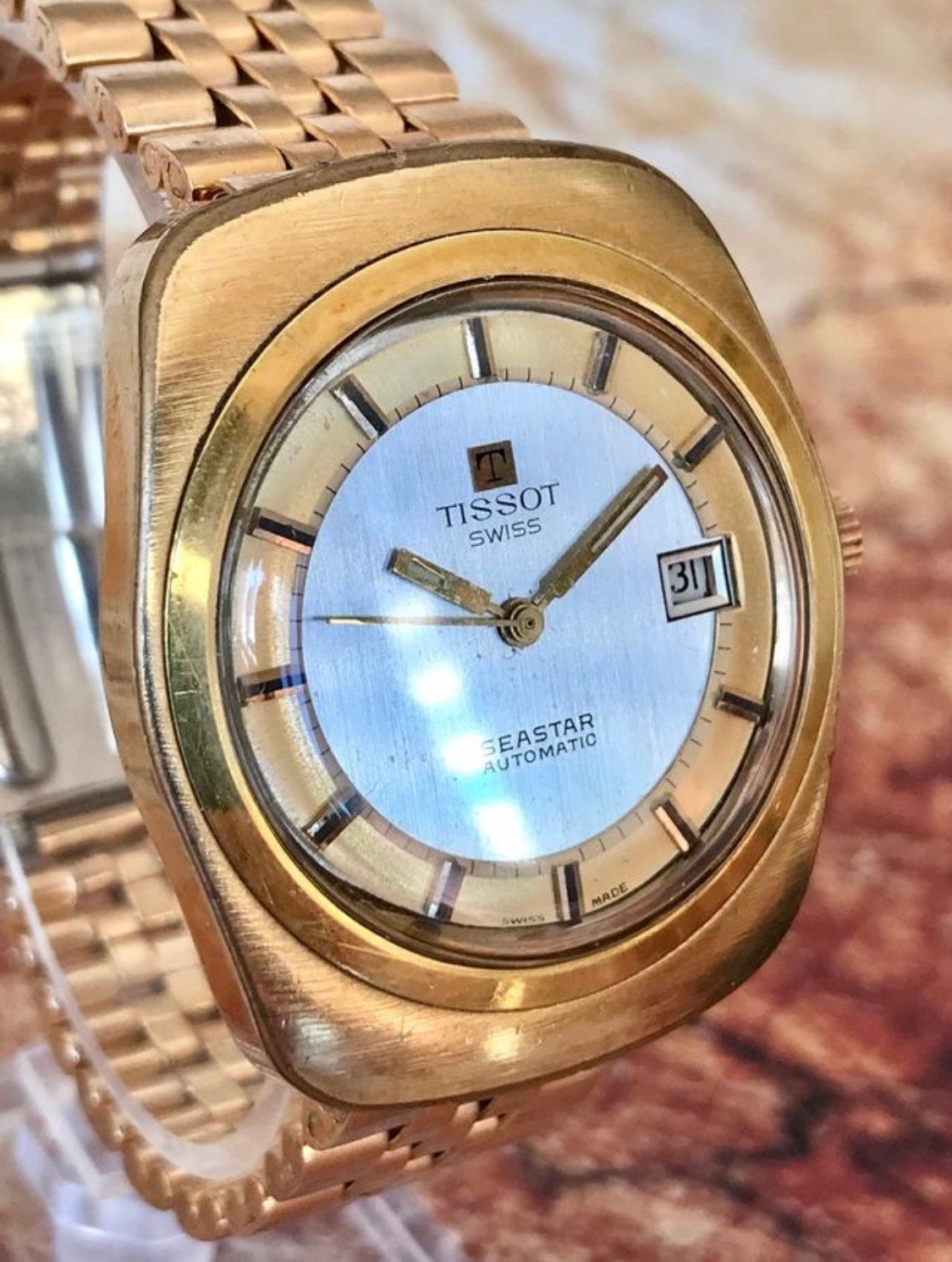

- Pieza única
- Envío Nacional Gratuito
- Entrega en 24/48 horas
- Aceptamos Bizum, Transferencia y Paypal
TISSOT SEASTAR AUTOMATIC, VINTAGE 60s
| Marca | Tissot |
|---|---|
| Modelo | Seastar |
| Género | Man |
| País de origen | Switzerland |
| Década | 1960s |
| Año de fabricación | 1964 |
| Nº de serie | |
| Código de caja | |
| Movimiento | Automatic |
| Calibre | |
| Cristal | Original PLexiglás |
| Esfera | Two-tone, with date window at 3 o'clock. |
| Material de la caja | Gold-plated steel |
| Diámetro sin corona | 36.7 mm |
| Diámetro con corona | 38.5 mm |
| Longitud entre asas | 41 mm |
| Grosor | 11 mm |
| Anchura de la correa | 18 mm |
| Material de la correa | Steel |
| Color de la correa | Gold |
| Cierre/hebilla | Signed TISSOT clasp type. |
| Estado del reloj | Very good, with slight signs of aging. |
| Caja/Estuche | Yes, generic. |
| Documentación | Free Certificate of Authenticity available on request |
The history of Tissot began in 1853 in Le Locle, Switzerland, when Charles-Félicien Tissot and his son Charles-Émile Tissot founded a small watchmaking company under the name Charles-Félicien Tissot & Son. From the beginning, Tissot stood out for its finely decorated pocket watches and its use of innovative materials and technologies, positioning it as a reference in the Swiss watch industry.
Innovation from the early years
Tissot was one of the first brands to bet on international expansion, and its founder Charles-Émile traveled to Russia in 1858, where his watches quickly gained popularity, especially among the aristocracy. The brand became known as a manufacturer of high-quality watches, pioneering the use of unusual materials for the time, such as mother-of-pearl and stone.
Expansion and technical advances
In the 20th century, Tissot established itself in the watchmaking industry thanks to its technical innovations and constant international expansion. In 1930, the brand introduced the Tissot Antimagnetic, the world’s first antimagnetic wristwatch, an innovation that made it a symbol of precision and durability. Tissot also became known for its association with the world of sports, manufacturing robust and functional watches for various disciplines.
Association with Omega and creation of SSIH
In 1930, Tissot joined forces with Omega to form the Swiss Watchmaking Society (SSIH), which would later become one of the largest watchmaking organizations in Switzerland, precursor to the current Swatch Group. This alliance allowed Tissot to benefit from Omega’s distribution networks and resources, consolidating its position in the market and strengthening its capacity for innovation.
Renewal during the quartz crisis
The quartz crisis in the 70s affected much of the Swiss watch industry, but Tissot survived by quickly adapting to quartz technology. The brand launched innovative models like the Tissot RockWatch (1985), made of natural stone, and other models of unusual materials like wood and mother-of-pearl. This strategy helped the brand maintain relevance and stand out in the market.
Tissot today
Today, Tissot is part of the Swatch Group and remains true to its philosophy of offering quality Swiss watches at accessible prices. Known for its combination of tradition and innovation, with collections such as Tissot PRX, Le Locle, and T-Touch. Tissot continues to be the official timekeeper of major sports events like the Tour de France and the NBA, reinforcing its image in the world of sports.
Tissot is globally valued for its ability to evolve, its history of innovation, and its commitment to Swiss quality, making it a popular choice for watch enthusiasts and those seeking an affordable and reliable Swiss timepiece.
TEMPPUS. All rights reserved.
Información adicional
Reloj completamente revisado. Garantizado para su uso diario.
- Pieza única
- Envío Nacional Gratuito
- Entrega en 24/48 horas
- Aceptamos Bizum, Transferencia y Paypal
Relojes relacionados
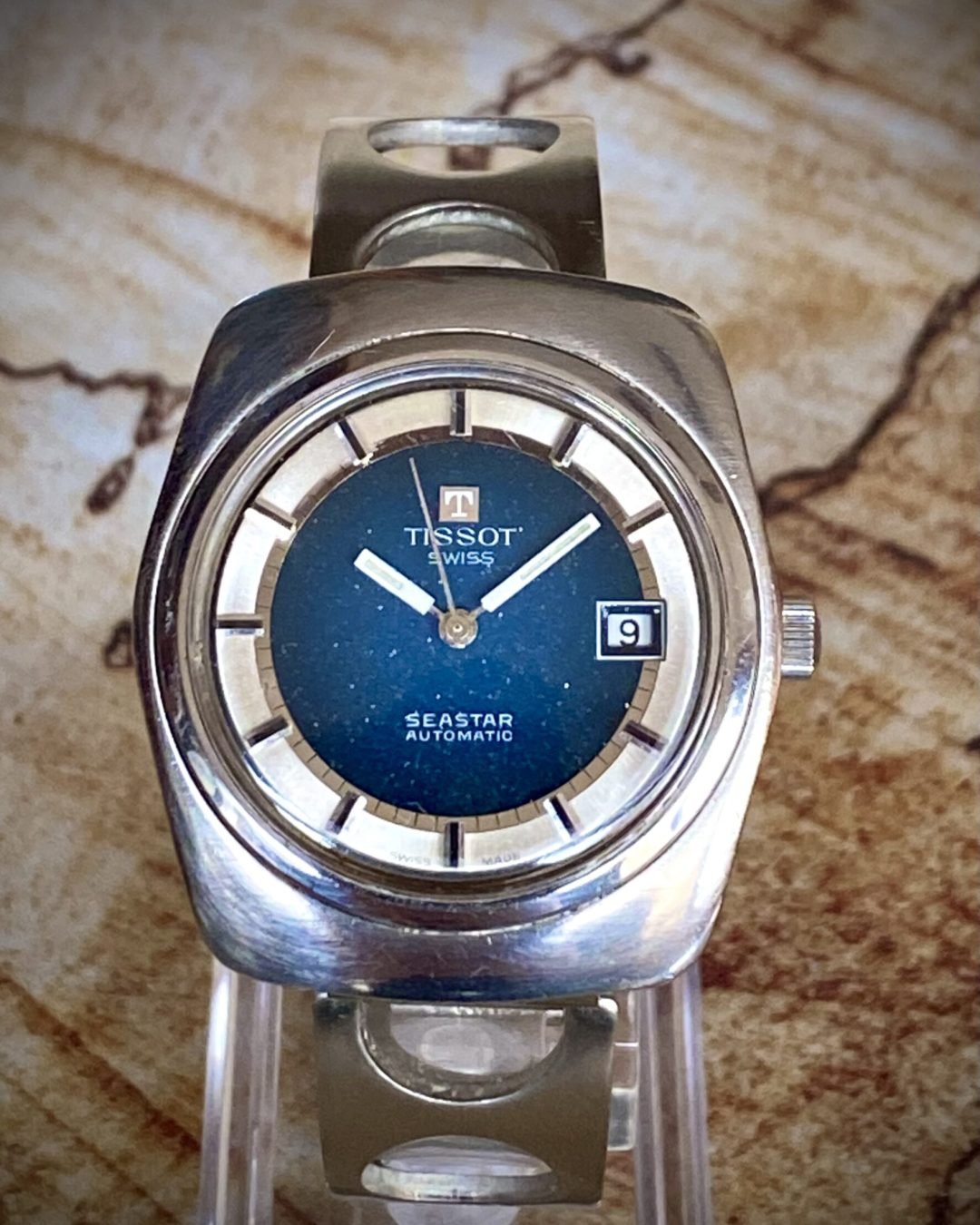
TISSOT SEASTAR AUTOMATIC, VINTAGE 60s
INFORMACIÓN
| Marca | Tissot |
|---|---|
| Modelo | Seastar |
| Género | Man |
| País de origen | Switzerland |
| Década | 1960s |
| Año de fabricación | 1964 |
| Movimiento | Automatic |
| Cristal | Original Plexiglass, flawless |
| Esfera | Blue with date display at 3 |
| Corona | Steel, original signed TISSOT |
| Material de la caja | Stainless steel |
| Diámetro sin corona | 37 mm |
| Diámetro con corona | 39 mm |
| Longitud entre asas | 42 mm |
| Grosor | 11.3 mm |
| Anchura de la correa | 18 mm |
| Material de la correa | Stainless steel |
| Color de la correa | Steel |
| Cierre/hebilla | Stainless steel, clasp type |
| Estado del reloj | Very good, with slight signs of aging. |
| Caja/Estuche | Yes, generic. |
| Documentación | Free Certificate of Authenticity available on request |
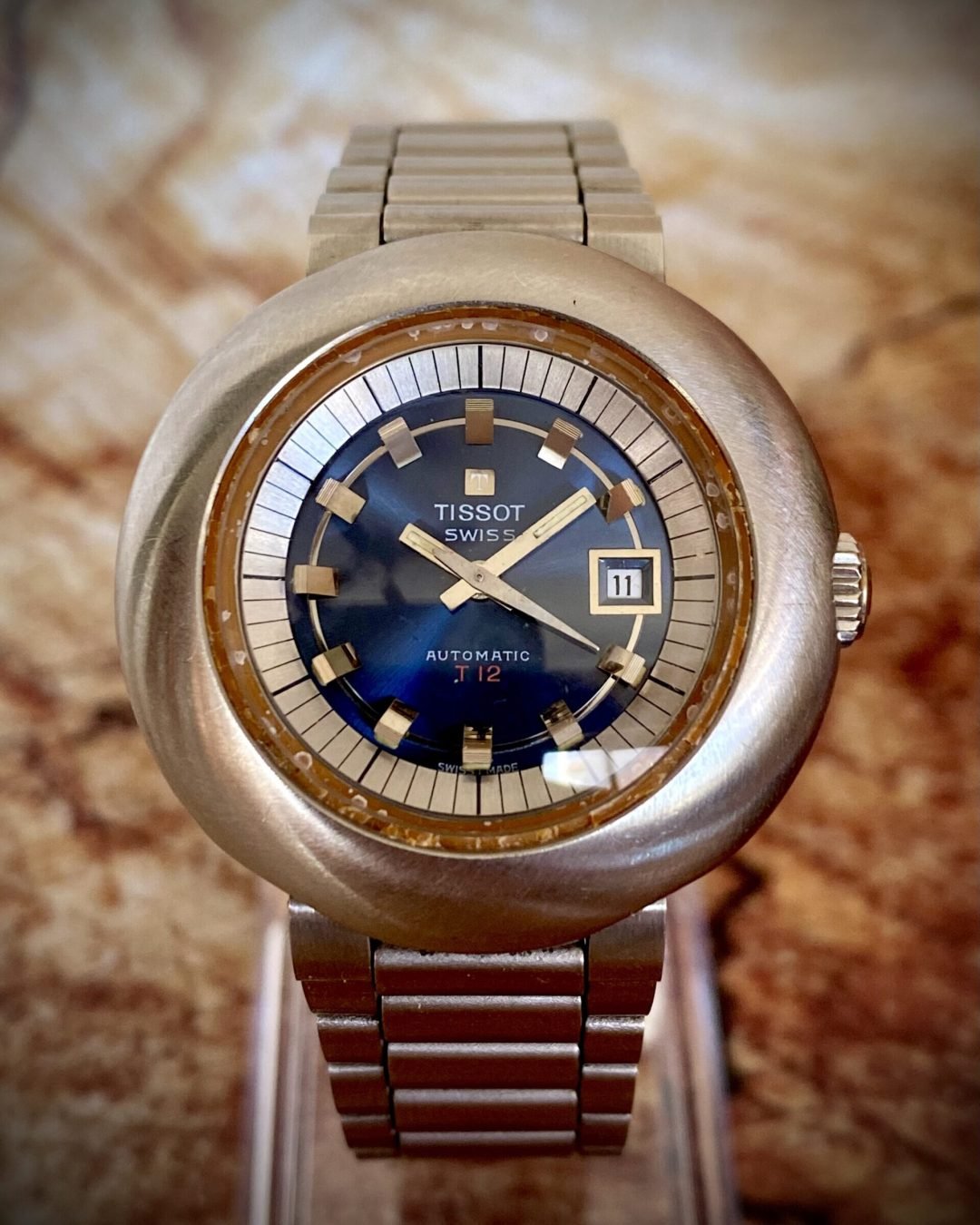
TISSOT T12 AUTOMATIC, VINTAGE 60s (GAY FRÈRES)
INFORMACIÓN
| Marca | Tissot |
|---|---|
| Modelo | T 12 Automatic |
| Género | Man |
| País de origen | Switzerland |
| Década | 1960s |
| Nº de serie | 25641422 |
| Código de caja | 38645: Chronograph. |
| Movimiento | Automatic |
| Calibre | 21 rubíes |
| Cristal | Mineral |
| Esfera | Blue with date display at 3 |
| Corona | Steel, original signed TISSOT |
| Material de la caja | Stainless steel |
| Diámetro sin corona | 35 mm |
| Diámetro con corona | 36 mm |
| Longitud entre asas | 35 mm |
| Grosor | 11,5 mm |
| Anchura de la correa | 17 mm |
| Material de la correa | Stainless steel |
| Color de la correa | Steel |
| Cierre/hebilla | Clasp type, original TISSOT (signed GAY FRÉRES) |
| Estado del reloj | Very good, with slight signs of aging. |
| Caja/Estuche | Yes, generic. |
| Documentación | Free Certificate of Authenticity available on request |
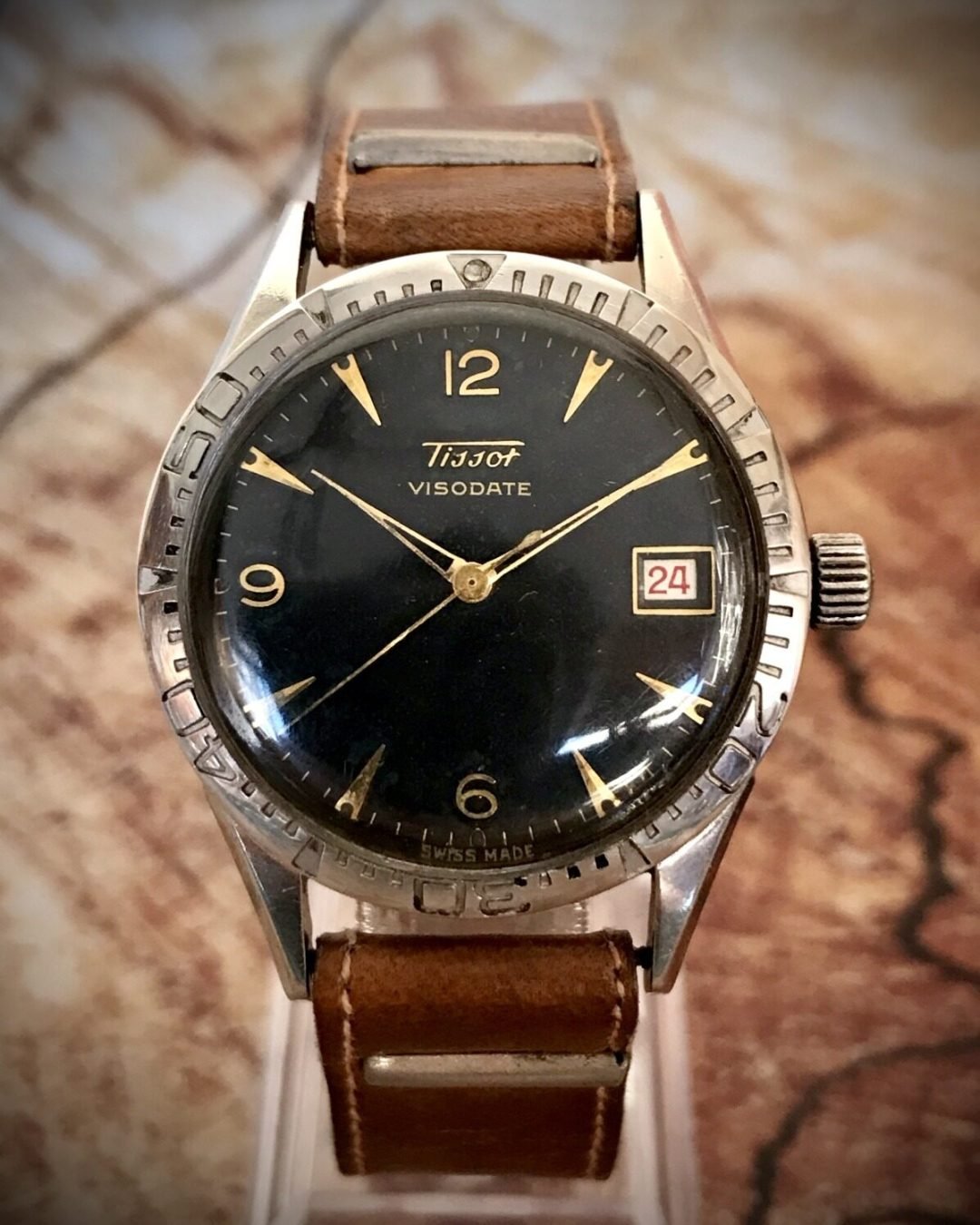
TISSOT VISODATE, VINTAGE YEAR 1962, MANUAL WINDING
INFORMACIÓN
| Marca | Tissot |
|---|---|
| Modelo | Visodate |
| Género | Man |
| País de origen | Switzerland |
| Década | 1960s |
| Año de fabricación | 1962 |
| Nº de serie | Attribute: 3295336 |
| Código de caja | 6606-1 L |
| Movimiento | Manual winding |
| Cristal | Original PLexiglás |
| Esfera | Black, with date display at 3 o'clock. |
| Bisel | Steel, with engraved minute markings |
| Corona | Steel, original signed TISSOT |
| Material de la caja | Stainless steel |
| Diámetro sin corona | 34,5 mm |
| Diámetro con corona | 36 mm |
| Longitud entre asas | 42 mm |
| Grosor | 11 mm |
| Anchura de la correa | 18 mm |
| Material de la correa | Genuine leather vaccine |
| Color de la correa | Brown |
| Cierre/hebilla | Stainless Steel, Clasp Type. |
| Estado del reloj | Very good, with slight signs of aging. |
| Caja/Estuche | Yes, generic. |
| Documentación | Free Certificate of Authenticity available on request |
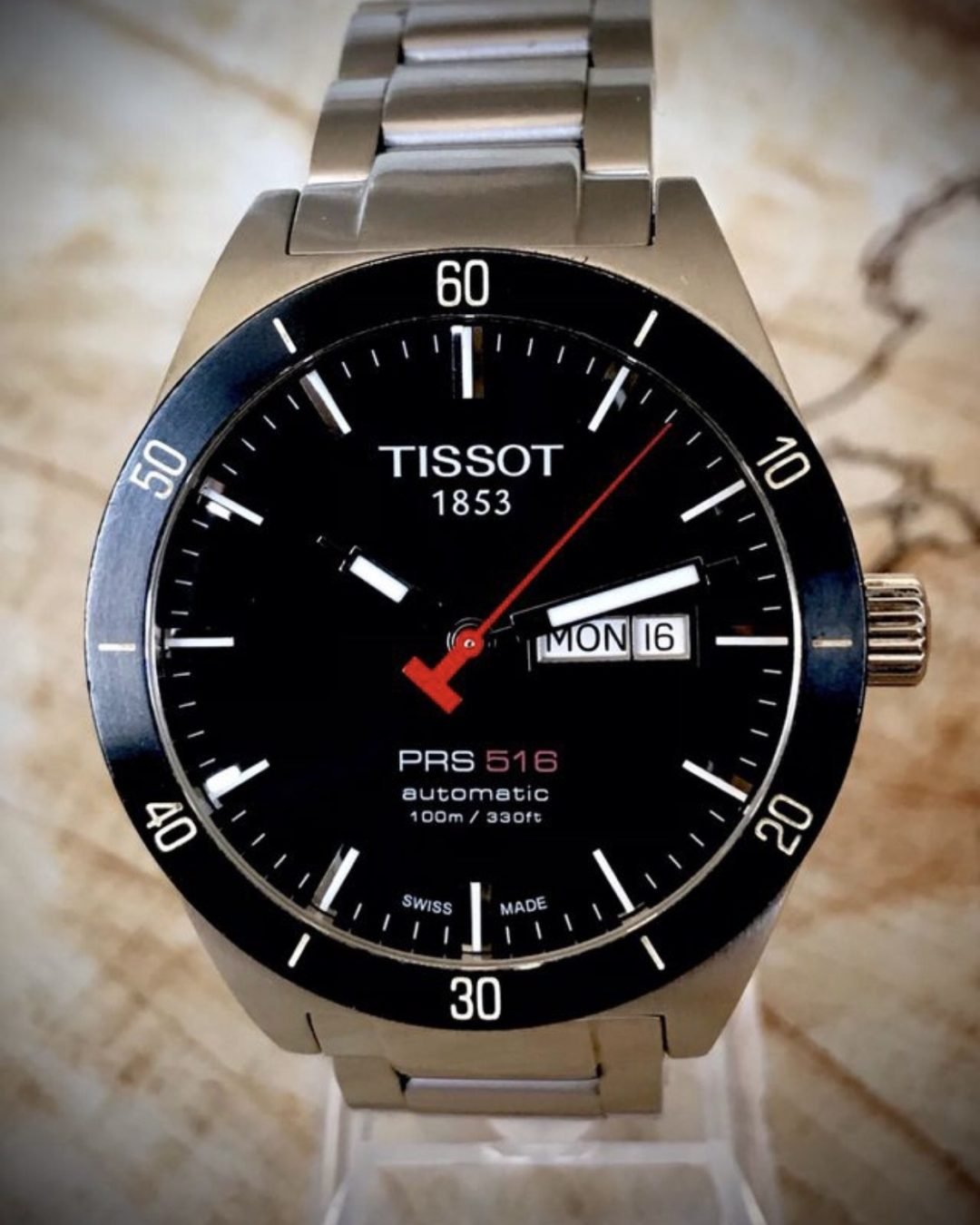
TISSOT 1853 PRS 516 AUTOMATIC, (FULL SET)
INFORMACIÓN
| Marca | Tissot |
|---|---|
| Modelo | PRS 516 |
| Género | Man |
| País de origen | Switzerland |
| Década | Current. |
| Código de caja | T044430 A |
| Movimiento | Automatic |
| Cristal | Sapphire |
| Esfera | Black, with calendar at 3 |
| Bisel | Aluminum |
| Material de la caja | Stainless steel |
| Diámetro sin corona | 41,5 mm |
| Diámetro con corona | 43.2 mm |
| Longitud entre asas | 46,5 mm |
| Grosor | 12.2 mm |
| Anchura de la correa | 18 mm |
| Material de la correa | Stainless steel |
| Color de la correa | Steel |
| Cierre/hebilla | Steel, signed TISSOT clasp type. |
| Estado del reloj | Excellent, like new! |
| Caja/Estuche | Yes, your original. |
| Documentación | Yes |
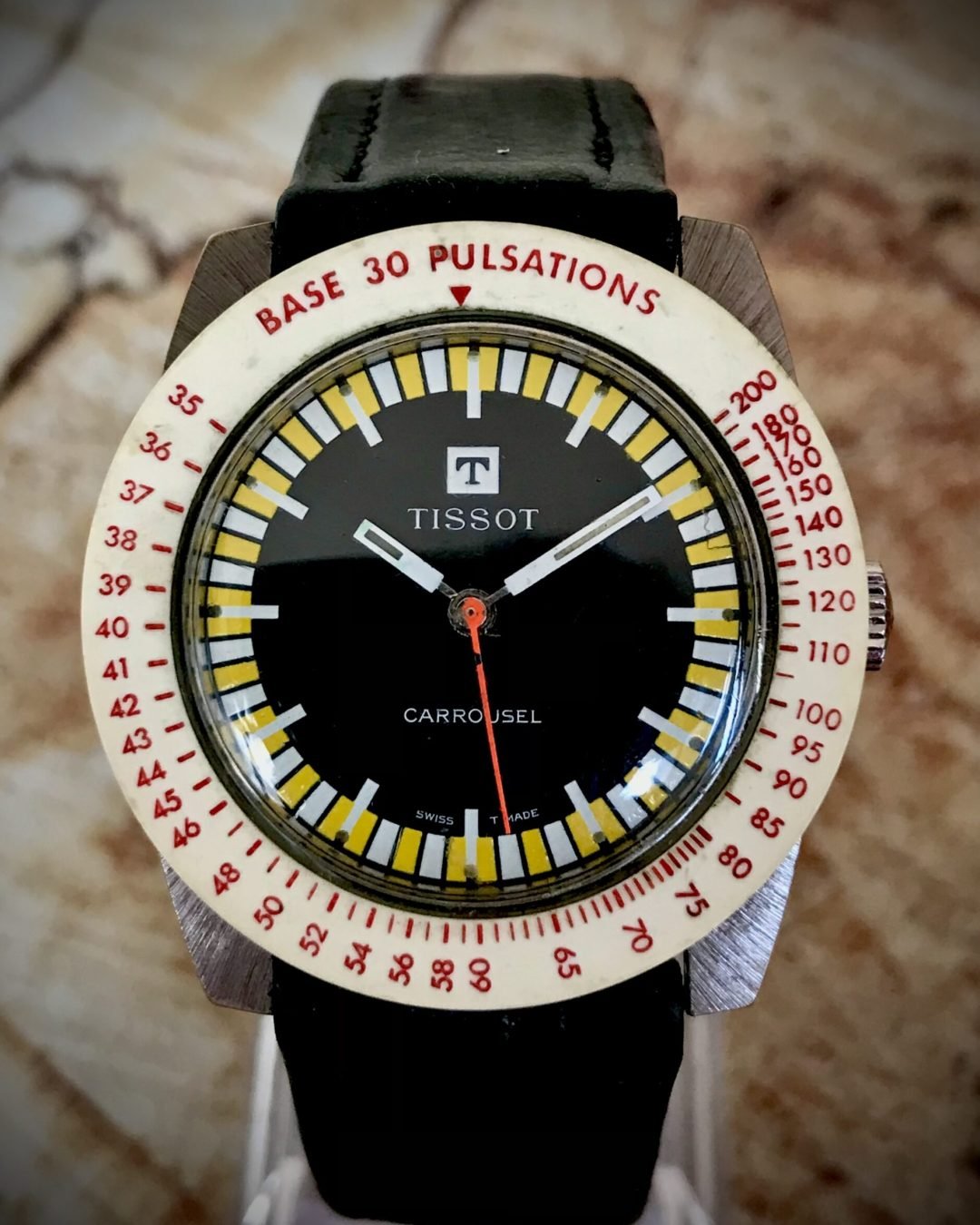
TISSOT CARROUSEL VINTAGE, PULSE METER
INFORMACIÓN
| Marca | Tissot |
|---|---|
| Modelo | Carrousel |
| Género | Man |
| Década | 1960s |
| Año de fabricación | 1967 |
| Movimiento | Manual winding |
| Cristal | Original PLexiglás |
| Esfera | Black |
| Bisel | Exclusive, with heart rate monitor. |
| Corona | Original, signed Tissot |
| Material de la caja | Steel |
| Diámetro con corona | 39 mm |
| Longitud entre asas | 40 mm |
| Grosor | 8 mm |
| Anchura de la correa | 18 mm |
| Material de la correa | Genuine leather |
| Color de la correa | Black |
| Cierre/hebilla | Steel |
| Estado del reloj | Excellent, like new! |
| Caja/Estuche | Yes, generic. |
| Documentación | Free Certificate of Authenticity available on request |
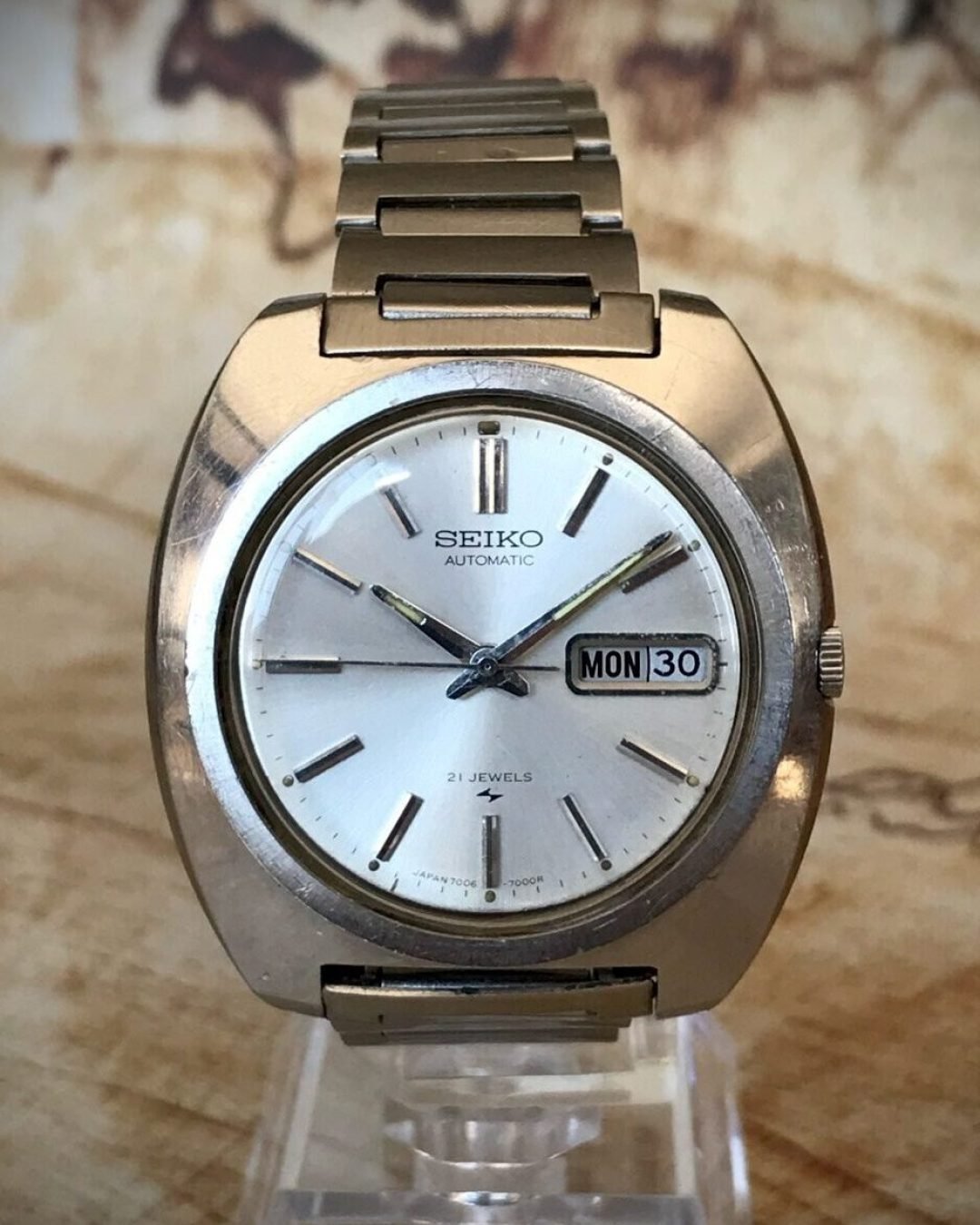
SEIKO 7006-7002 AUTOMATIC, VINTAGE YEAR 1971
175,00 €
INFORMACIÓN
| Marca | Seiko |
|---|---|
| Modelo | 7006-7002 Automatic |
| Género | Man |
| Década | 1970s |
| Año de fabricación | 1971 |
| Nº de serie | 152818 |
| Código de caja | 7006-7002 |
| Movimiento | Automatic |
| Calibre | Seiko 7006A |
| Cristal | Original PLexiglás |
| Esfera | Silver, flawless |
| Bisel | Stainless steel |
| Corona | Yours original |
| Material de la caja | Stainless steel |
| Diámetro sin corona | 39.1 mm |
| Diámetro con corona | 40 mm |
| Longitud entre asas | 41 mm |
| Grosor | 10.5 mm |
| Anchura de la correa | 18 mm |
| Material de la correa | Stainless steel |
| Color de la correa | Steel |
| Cierre/hebilla | Stainless steel, original Seiko. |
| Estado del reloj | Very good, with slight signs of aging. |
| Caja/Estuche | Yes, generic. |
| Documentación | Free Certificate of Authenticity available on request |
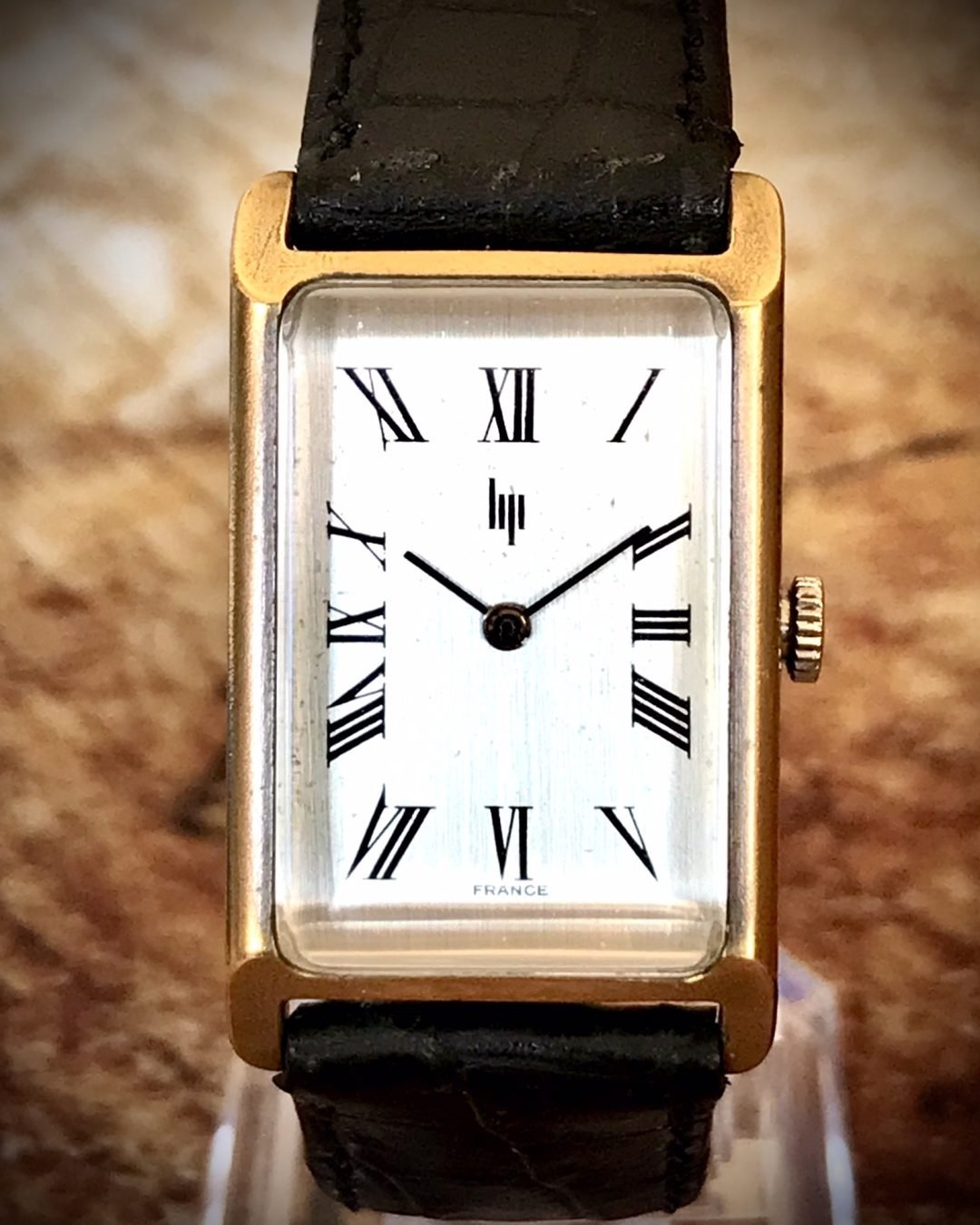
LIP ART DECO WATCH, VINTAGE 1940s, MANUAL
270,00 €
INFORMACIÓN
| Marca | Lip |
|---|---|
| Modelo | "Art Decó" |
| Género | Man |
| Década | 1940s |
| Código de caja | 288203 |
| Movimiento | Manual winding |
| Cristal | Origin plexiglass |
| Esfera | Silver, Roman numerals |
| Diámetro sin corona | 22.2 mm |
| Diámetro con corona | 23.1 mm |
| Longitud entre asas | 36.4 mm |
| Grosor | 8 mm |
| Anchura de la correa | 18 mm |
| Material de la correa | Italian skin |
| Color de la correa | Black |
| Cierre/hebilla | Steel |
| Estado del reloj | Very good, with slight signs of aging. |
| Caja/Estuche | Yes |
| Documentación | Free Certificate of Authenticity available on request |
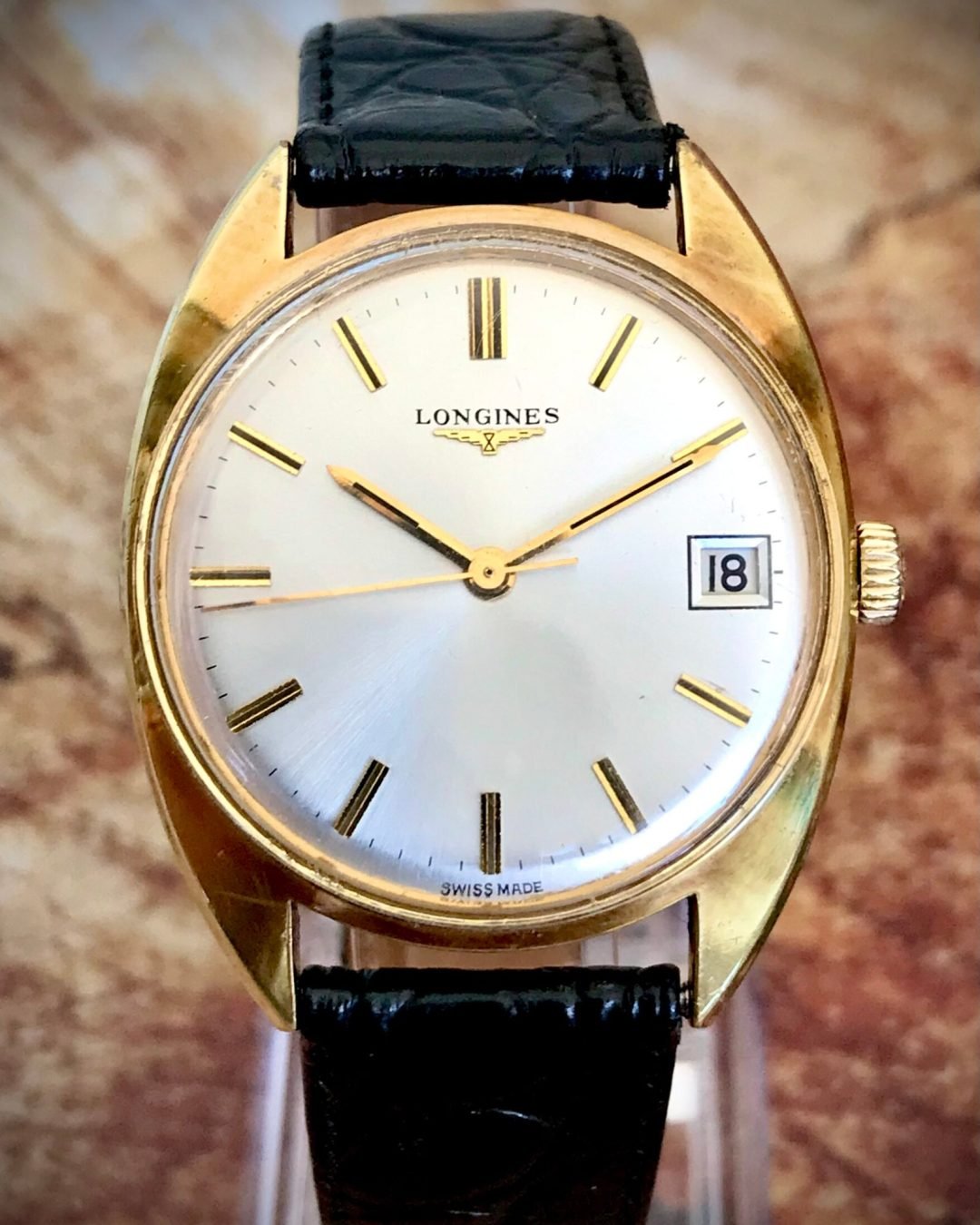
LONGINES 1954, MANUAL WINDING
INFORMACIÓN
| Marca | Longines |
|---|---|
| Modelo | Classic |
| Género | Man |
| Década | 1950s |
| Año de fabricación | 1954 |
| Código de caja | 8307-5 |
| Calibre | Longines 285 |
| Cristal | Plexiglass |
| Esfera | Mother-of-pearl |
| Material de la caja | Gold-plated with 20 microns |
| Diámetro sin corona | 35.1 mm |
| Diámetro con corona | 36.2 mm |
| Longitud entre asas | 46 mm |
| Grosor | 9 mm |
| Material de la correa | Cowhide |
| Anchura de la correa | 17 mm |
| Color de la correa | Black |
| Cierre/hebilla | Steel |
| Estado del reloj | Very good, with slight signs of aging. |
| Caja/Estuche | Yes, generic. |
| Documentación | Free Certificate of Authenticity available on request |
Garantía tEMPPUS
Para su total tranquilidad, protegemos todos nuestros RELOJES CON 1 AÑO DE GARANTÍA.